

Discover the Importance of Your Oral Health and How to Care for It
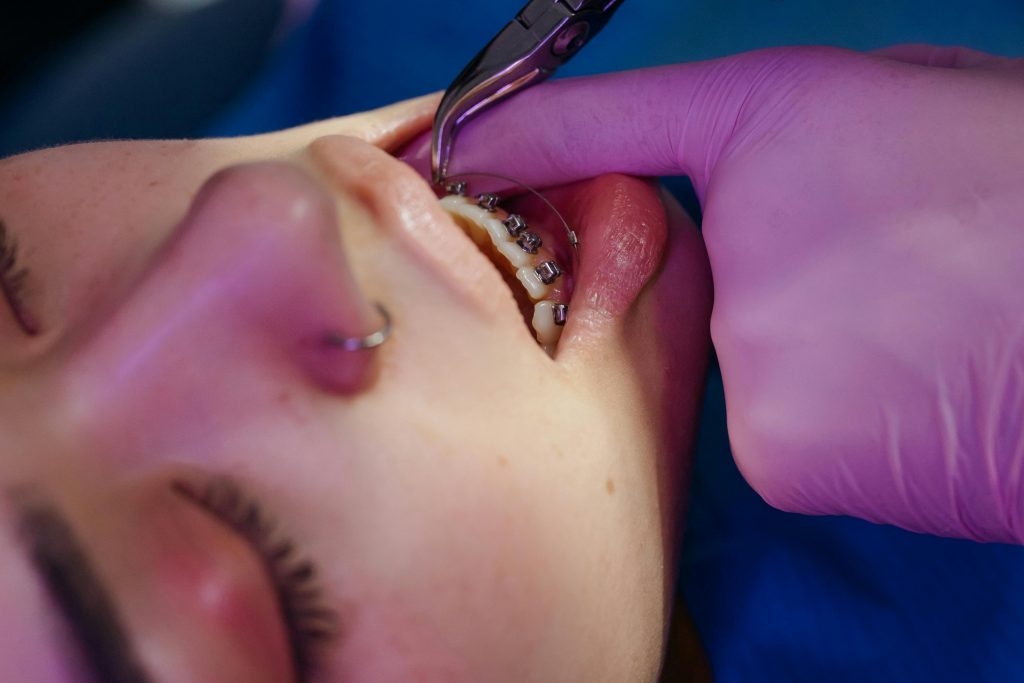
Our oral health not only influences the aesthetics of our smile but also plays a crucial role in our overall health. A healthy mouth allows us to speak, chew, and smile confidently, while also preventing diseases that can affect other parts of the body. Below, we explore the importance of dental care and some key tips for maintaining a healthy mouth.
Why Is Oral Health Important?
- Disease Prevention: Poor oral hygiene can lead to problems such as cavities, gingivitis, and periodontal diseases. If left untreated, these conditions can result in tooth loss, severe infections, and costly treatments like root canals or dental implants.
- Connection to General Health: Studies have shown that oral infections can increase the risk of heart disease, diabetes, and respiratory problems. Chronic gum inflammation can affect the immune system and contribute to the development of other systemic conditions.
- Digestive Issues: Poor oral health can make it difficult to properly chew food, affecting digestion and the absorption of essential nutrients.
- Emotional Well-being and Confidence: A healthy smile boosts self-esteem and confidence. Additionally, bad breath and neglected teeth can impact social interactions and create insecurity in personal and professional settings.
Consequences of Poor Oral Hygiene
Neglecting oral hygiene can lead to severe consequences beyond cavities or bad breath. Periodontal diseases can progress to the point of causing tooth loss, affecting the bite and the bone structure of the jaw. Additionally, the buildup of bacteria in the mouth can spread to other parts of the body through the bloodstream, increasing the risk of systemic infections. Chronic gum inflammation has also been linked to a higher risk of cardiovascular diseases and complications in people with diabetes.
Other consequences include persistent halitosis, which can impact social and professional life, and a higher risk of developing dental abscesses, which can cause severe pain and require urgent treatment. In extreme cases, untreated oral infections can lead to conditions such as endocarditis, an inflammation of the heart’s inner lining caused by oral bacteria entering the bloodstream.
Best Ways to Maintain Oral Hygiene
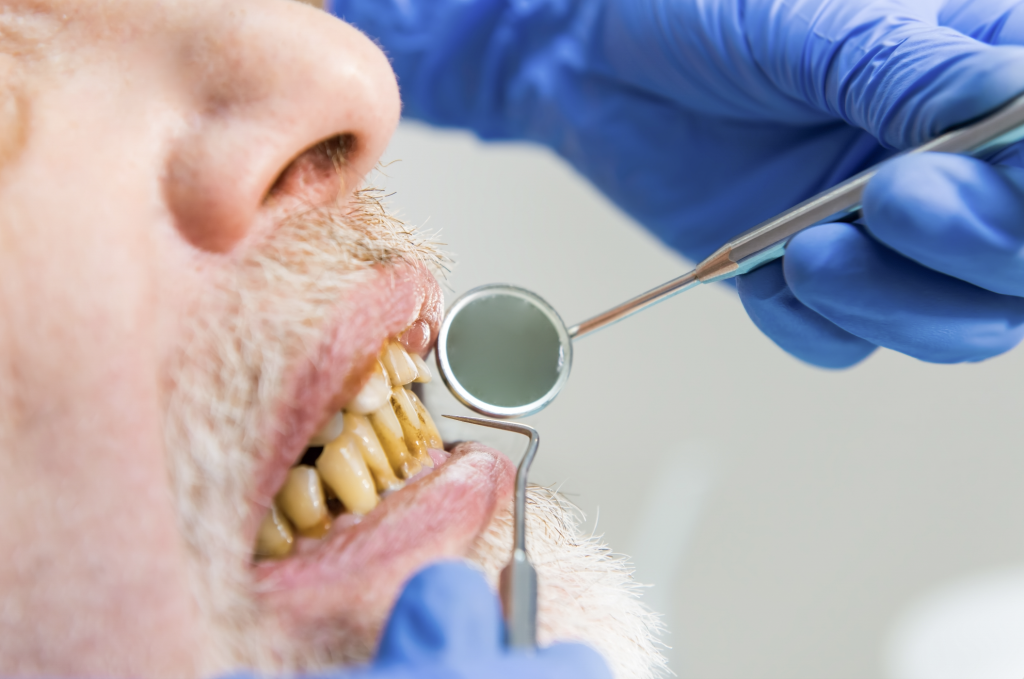
To maintain good oral health, it is essential to adopt daily habits that help prevent diseases and keep the mouth clean and healthy. Here are the best practices:To maintain good oral health, it is essential to adopt daily habits that help prevent diseases and keep the mouth clean and healthy. Here are the best practices:
- Brush Properly: Brush your teeth at least twice a day using a soft-bristled toothbrush and fluoride toothpaste. Use gentle, circular motions to remove plaque without damaging enamel.
- Floss Daily: Brushing alone is not enough to remove food debris and plaque buildup between teeth. Flossing helps prevent cavities and gum disease.
- Use Mouthwash: A fluoride or antiseptic mouthwash helps eliminate additional bacteria and keeps breath fresh.
- Stay Hydrated: Drinking enough water stimulates saliva production, which helps neutralize acids and remove food particles from the mouth.
- Limit Sugar Intake: Sugars promote the growth of bacteria that cause cavities. Opt for a balanced diet rich in fruits, vegetables, and proteins.
- Visit the Dentist Regularly: Dental check-ups every six months help detect problems early and allow for professional cleanings to remove plaque buildup.
- Don’t Neglect Your Tongue: Brushing your tongue helps reduce bad breath and eliminates bacteria that can affect oral health.
- Avoid Tobacco and Alcohol: Both can cause tooth stains, gum disease, and increase the risk of oral cancer.
Following these tips will help you maintain optimal oral health and prevent long-term complications. A proper hygiene routine and regular dental visits are key to having a healthy smile and feeling great every day.