

How to Detect the Need for a Dental Implant Early
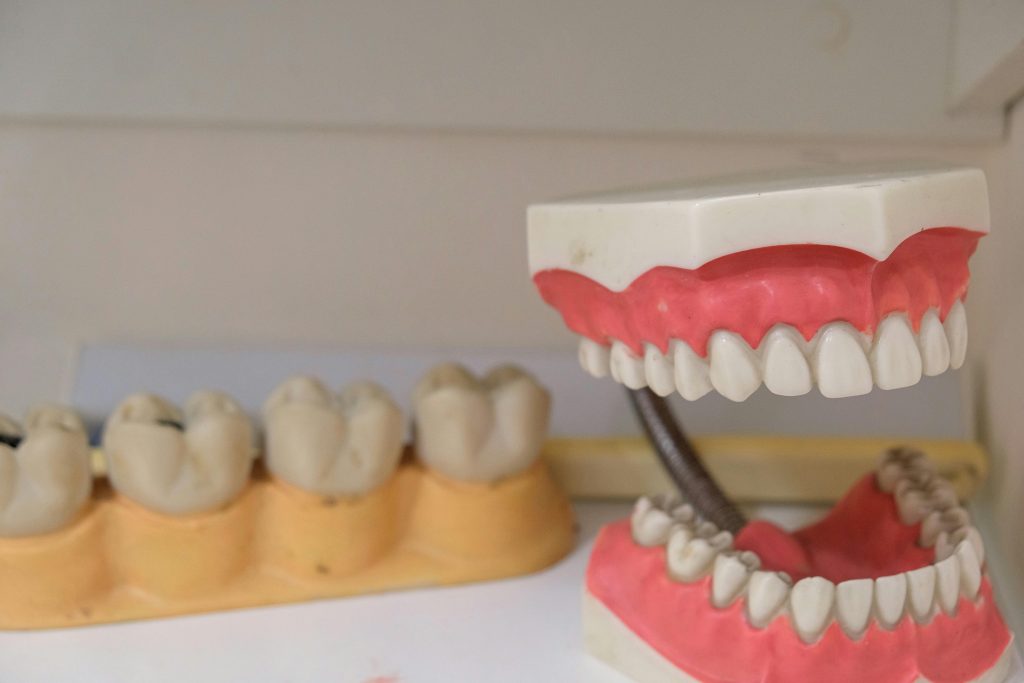
Oral health is essential for overall well-being. However, we often overlook important warning signs that indicate something might be wrong with our teeth. Detecting the need for a dental implant early can make the difference between a simple procedure and more serious complications. In this article, we’ll explain how to recognize those signs and why taking timely action is key to your health.
What is a dental implant?
A dental implant is a permanent solution to replace a missing tooth. It consists of a titanium screw inserted into the jawbone, acting as an artificial root. A crown is then placed on top to mimic the shape, size, and color of a natural tooth. Implants help preserve chewing function, smile aesthetics, and bone health.
When is a dental implant necessary?
A dental implant isn’t only needed when a tooth is completely missing. Several situations might make an implant the best solution:
Missing one or more teeth due to decay, trauma, or gum disease.
Severely damaged teeth that can’t be restored with fillings or crowns.
Recurring infections, even after treatments like root canals.
Problems with removable dentures, such as discomfort or poor fit.
Bone loss (resorption) caused by missing teeth, which can be prevented with timely implant placement.
What are the warning signs?
Here are some common signs that may indicate the need to visit a specialist:
1. Persistent tooth or gum pain
Pain that doesn’t go away or keeps returning may signal deep damage to the root or surrounding bone.
2. Loose or shifting teeth
Tooth mobility in adults is not normal and could indicate bone loss or advanced gum disease.
3. Receding or bleeding gums
Gum disease can destroy both gum tissue and bone, leading to tooth loss.
4. Difficulty chewing or speaking
Struggling to chew certain foods or changes in speech may be signs of missing or damaged teeth.
5. Visible gaps between teeth
Missing teeth can cause nearby teeth to shift, affecting both function and appearance.
6. Changes in facial appearance or volume loss in the cheeks
Bone loss after tooth loss can change the shape of your face over time.
What should you do if you notice these signs?
The first step is to consult a dentist or implant specialist. A timely diagnosis can prevent further complications. The professional will perform:
A clinical evaluation: including dental history, gums, and teeth assessment.
Imaging studies: such as X-rays or 3D scans to check bone condition.
A personalized treatment plan to determine whether an implant is needed and how it will be placed.
What are the benefits of acting early?
-
Less bone loss: replacing a tooth quickly helps preserve bone.
-
Simpler treatment: the sooner the implant is placed, the less complex the procedure.
-
Better function and aesthetics: implants integrate more naturally and restore quality of life.
-
Prevents tooth misalignment: keeps surrounding teeth in place.
-
Improves digestion: proper chewing is essential for good digestion.
Is there an age limit for dental implants?
There is no upper age limit, as long as the patient is in good general and oral health. What matters most is having enough bone density to support the implant. Even older adults can benefit significantly from this solution.
Can dental implants be prevented?
In many cases, yes. Good oral hygiene and habits can help:
Brushing and flossing daily
Regular dental visits (at least twice a year)
Early treatment of cavities and gum problems
Avoiding excess sugar and tobacco use
Detecting the need for a dental implant early not only restores your smile but also protects your overall health. If you experience pain, loose teeth, bleeding gums, or facial changes, it’s time to see a professional. Early intervention can save you from more costly and complex procedures. Take care of your oral health—remember, a healthy mouth is a reflection of a healthy life.